

Belt Conveyor
Belt conveyor is widely used in metallurgy, mine, coal, port, transportation, water and electricity, chemical and other departments to carry on, loading, reloading or accumulating all kinds of normal temperature, loose density of various kinds of bulk.
Belt Width (mm): 500/650/800/1000/1200
Delivery quantity (t/h) :78-191/131-323/278-546/435-853/655-1284

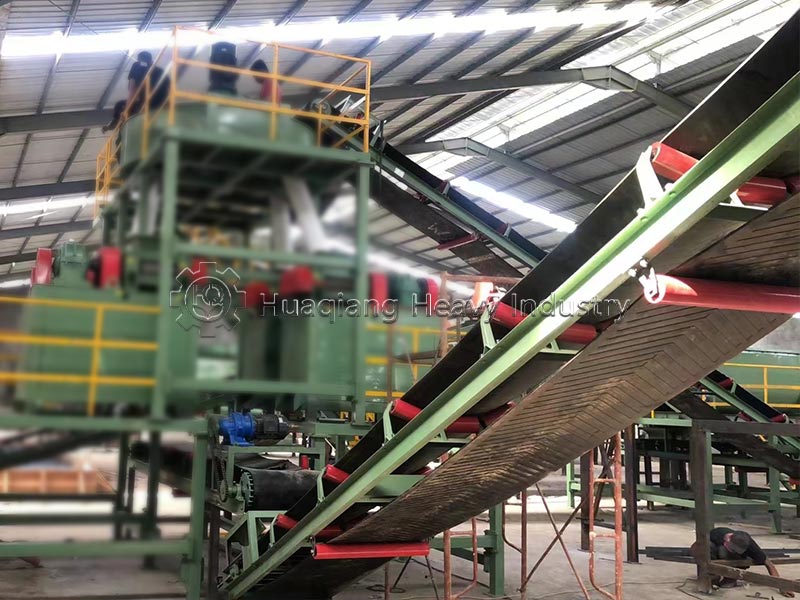
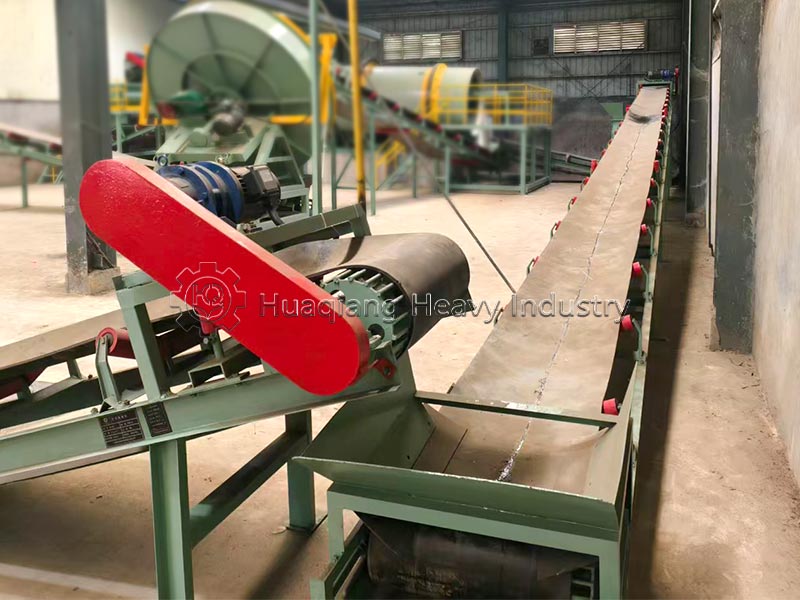
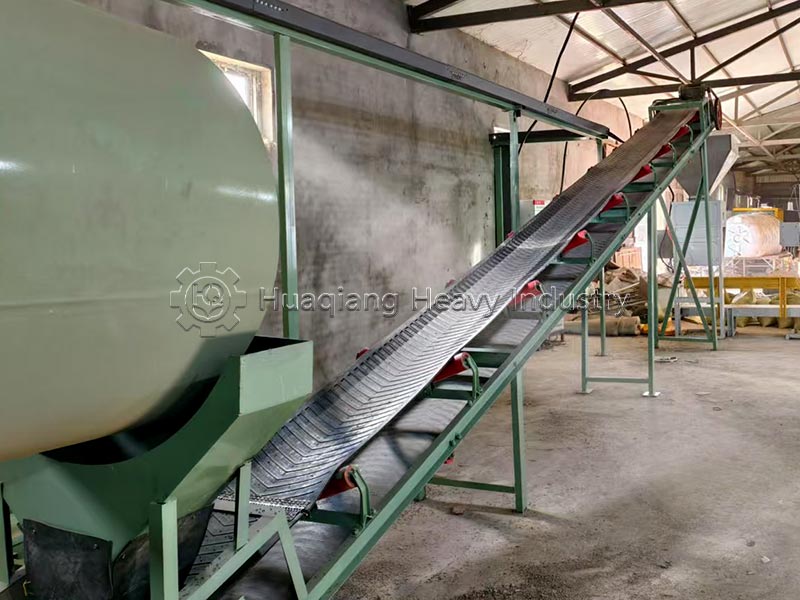
DETAILS
A belt conveyor is a machine that transports materials continuously using friction-based drive. Simply put, it employs a continuous conveyor belt looped around two or more rollers; a motor drives one of the rollers, causing the belt to move and thereby transporting materials placed on its surface from one location to another.
What are the structural components of a belt conveyor?
A complete belt conveyor consists of the following core components:
Conveyor Belt: Serves as both the load-bearing surface and the key component for transmitting traction force. Common materials include rubber, PVC, and PU; specialized applications may utilize steel-cord belts or flame-retardant, anti-static solid-woven PVG/PVC belts.
Drive Unit: Typically composed of a motor, gearbox, and coupling, providing power to the conveyor. Drive configurations include single-drum, dual-drum, and multi-drum setups; drum surfaces can be smooth steel, rubber-lagged, or ceramic-coated.
Drums: Categorized into drive drums (transmission drums) and bend/return drums. Drive drums propel the belt through friction generated between the drum and the belt.
Idlers: Support the conveyor belt and the conveyed material, reducing running resistance. Self-aligning idler sets effectively prevent belt mistracking.
Tensioning Device: Includes screw-type, carriage-type, and vertical-type configurations; used to adjust belt tension and ensure sufficient friction.
Frame: Acts as the structural framework for the entire unit; materials include powder-coated carbon steel, stainless steel, and aluminum profiles.
Additionally, the system is equipped with auxiliary components such as material chutes, belt cleaners, and safety guards.
What are the application areas for belt conveyors?
Belt conveyors are among the most efficient and widely used types of continuous transport equipment. Their applications span virtually every industry requiring material handling:
Fertilizer production: Suitable for transporting raw materials and finished products such as chemical fertilizers, compound fertilizers, and organic fertilizers; requires features such as corrosion resistance, anti-sticking properties, and moisture resistance.
Mining and metallurgy: Transporting coal, ore, crushed stone, etc.
Power generation and ports: Coal transfer and bulk cargo loading/unloading.
Construction materials and chemicals: Transporting materials such as cement, sand, and fertilizers.
Food and pharmaceuticals: Food-grade belts used in food processing and pharmaceutical packaging.
Electronics and light industry: Assembly of electronic components, product inspection, and packaging.
Logistics and warehousing: Parcel sorting and warehouse automation.
Multiple belt conveyors can be combined into a complete conveying system; operation must follow the principle of starting in reverse order and stopping in sequence to prevent material accumulation.
PARAMETERS
| Belt Width (mm) |
Conveying length(m) Power(kW) |
Conveying speed (m/s) |
Delivery quantity (t/h) |
||
| 500 | ≤12 3 |
12-20 4-5.5 |
20-30 5.5-7.5 |
1.3-1.6 | 78-191 |
| 650 | ≤12 4 |
12-20 5.5 |
20-30 7.5-11 |
1.3-1.6 | 131-323 |
| 800 | ≤6 4 |
6-15 5.5 |
15-30 7.5-15 |
1.3-1.6 | 278-546 |
| 1000 | ≤10 5.5 |
10-20 7.5-11 |
20-40 11-22 |
1.3-2.0 | 435-853 |
| 1200 | ≤12 7.5 |
10-20 11 |
20-30 15-30 |
1.3-2.0 | 655-1284 |