

Coating Machine
The fertilizer coating machine is specialized equipment designed to treat fertilizers using either powder coating or liquid film-coating processes.
DETAILS
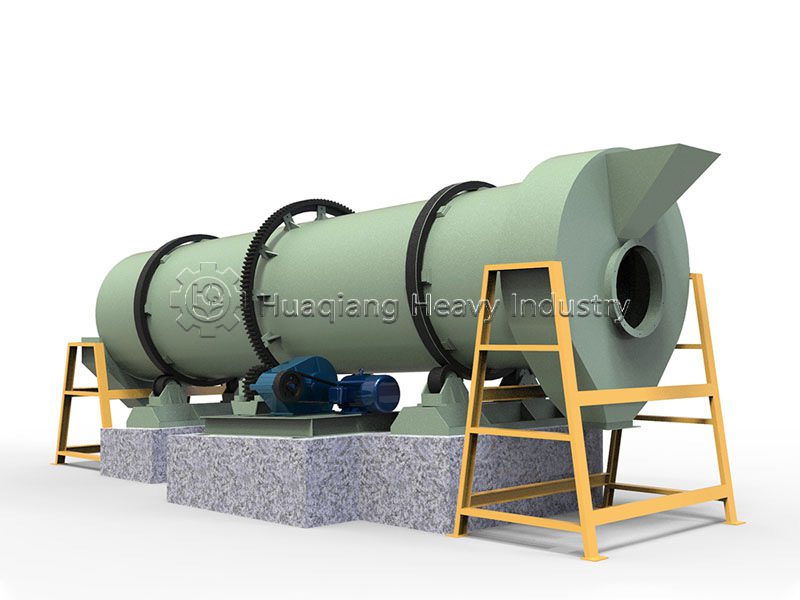
The fertilizer coating machine is specialized equipment designed to treat fertilizers using either powder coating or liquid film-coating processes. Its primary function is to physically create a uniform protective or functional layer on the surface of fertilizer granules, thereby enhancing slow-release properties, preventing caking, and improving nutrient utilization efficiency.
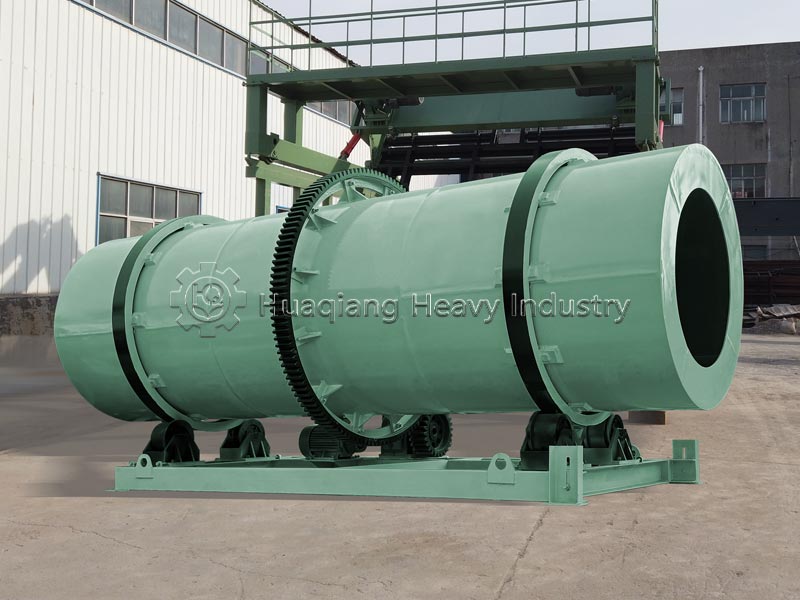
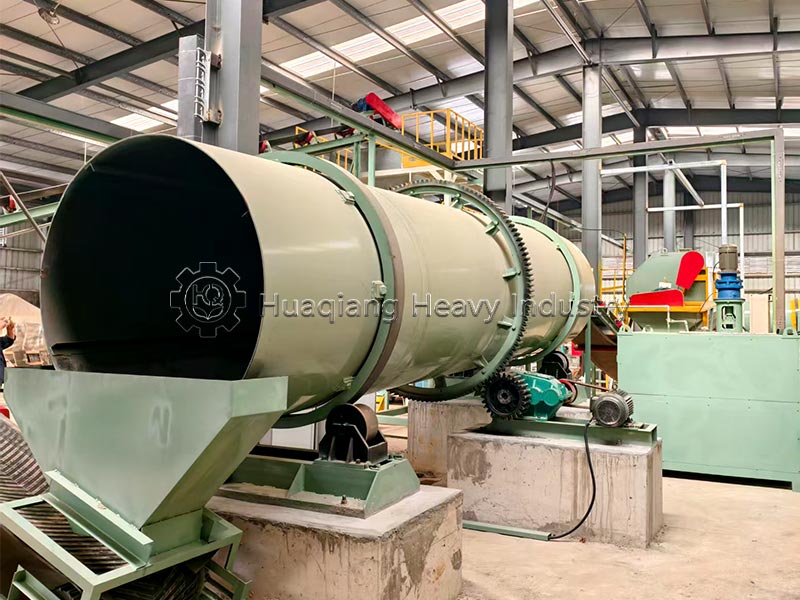
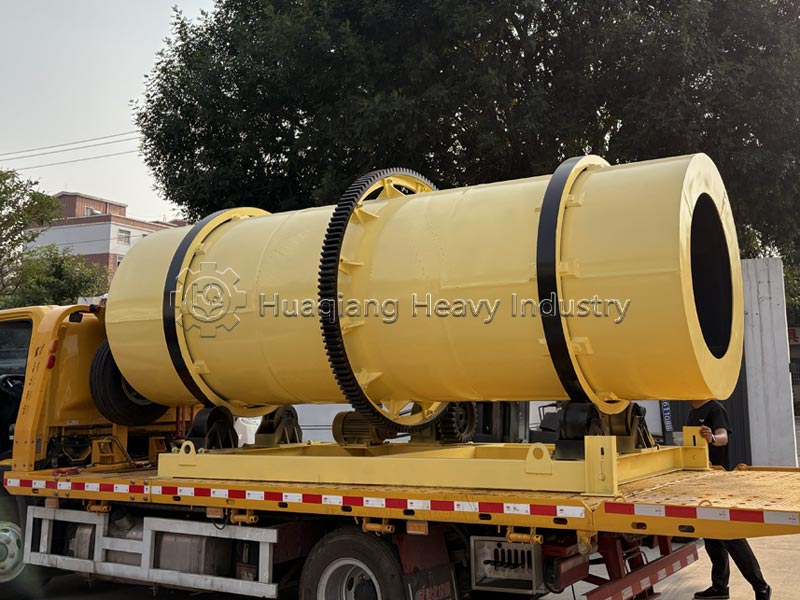
The equipment primarily consists of a screw conveyor, a mixing tank, a spraying system (or powder applicator), a main unit (rotating drum), a heating jacket or hot-air system, an oil pump, and a discharge outlet. The drum is typically lined with polypropylene or acid-resistant stainless steel to withstand the corrosive nature of various fertilizer compositions.
What is the working principle of a fertilizer coating machine?
The working principle of a fertilizer coating machine relies on the balance between centrifugal force and adhesion. Once fertilizer granules enter the rotating drum, the centrifugal force generated by the drum’s rotation causes the granules to rise along the inner wall to a certain height before falling back down, creating a continuous tumbling motion.
Drive and Transmission
The main motor provides power to drive the belt and pulley system, transmitting torque through a speed reducer to the drive shaft. A split gear mounted on the drive shaft meshes with a large ring gear fixed to the drum, causing the drum to rotate. The drum is typically installed at an inclination of 3° to 5° and operates at a rotational speed of 5–15 rpm.
Material Flow and Coating
After entering the drum, the material tumbles continuously as the drum rotates. A spraying system applies liquid coating material (or a powder applicator applies powdered material) evenly onto the granule surfaces; internal lifting flights (lining plates) facilitate uniform coverage. Once the coating material forms a liquid film on the granules, the combined effects of inter-particle friction and hot-air drying result in the formation of a stable coating layer.
Drying and Discharge
A hot-air system accelerates the drying or curing of the coating material to form a continuous protective film. After cooling, uncoated or agglomerated granules are screened out to ensure the uniformity of the final product.
What are the application scenarios for fertilizer coating machines?
The application of fertilizer coating machines has expanded from the basic function of preventing caking to a variety of specialized areas:
Organic fertilizer production lines: Coating fermented granules made from livestock manure or crop straw to prevent caking and enhance the product’s market appeal. Some enterprises have achieved rapid switching between coating livestock manure-based fertilizers and decomposed straw fertilizers, reducing downtime by up to 60%.
Slow- and controlled-release fertilizer production: This is the application area where coating machines offer the greatest technical value. By linking roller granulators with coating machines, controlled-release materials—such as urea-formaldehyde resin or sulfur—are applied to the granule surface to ensure the gradual release of nutrients. The nutrient utilization efficiency of slow- and controlled-release fertilizers can reach two to three times that of conventional fertilizers.
Compound fertilizer modification: Incorporating secondary nutrients, trace elements, or microbial agents to upgrade product functionality.
Bio-organic fertilizers: Coating with composite microbial agents (such as *Bacillus subtilis* or *Bacillus licheniformis*) to enhance fertilizer efficacy.
Although the fertilizer coating machine represents merely a post-processing step in the production line, it plays an irreplaceable role in preventing caking, enabling slow or controlled release, and facilitating functional upgrades. The technological evolution of this equipment—ranging from traditional drum-type models to intelligent PLC-controlled systems—reflects the fertilizer industry’s broader transition from “extensive application” to “precision and high efficiency.” For fertilizer manufacturers, selecting a coating machine that aligns with their specific production processes is critical; it not only determines product quality but also shapes market competitiveness and long-term sustainability.
PARAMETERS
| Model | Barrel | Capacity | Power | |||
| Internal Diameter | Length | Inclination | Rotation speed | |||
| mm | mm | mm | 0 | r/min | t/h | kW |
| BM1200×4000 | 1200 | 4000 | 3 | 14 | 1-5 | 5.5 |
| BM1400×4000 | 1400 | 4000 | 3 | 13 | 5~7 | 7.5 |
| BM1600×6000 | 1600 | 6000 | 3 | 12 | 7~15 | 11 |
| BM1800×8000 | 1800 | 8000 | 3 | 12 | 15~30 | 15 |