

Single Silo Single Weigh Dynamic Automatic Batching System
Application and Features: It is mainly used for the mixing, batching and feeding of 3-8 kinds of materials.
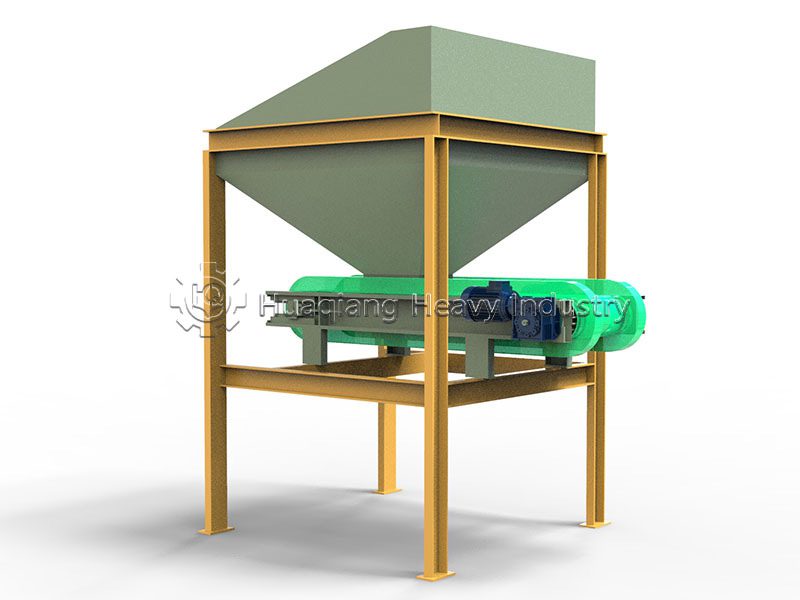
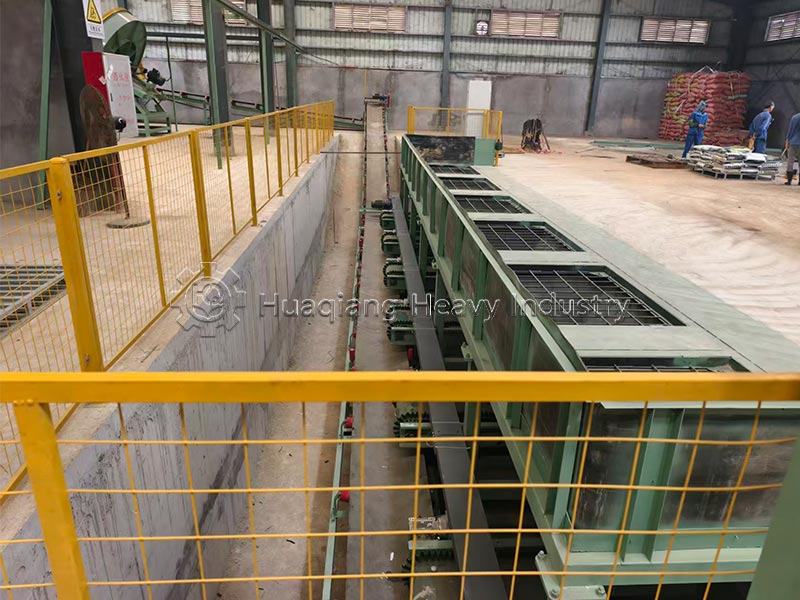
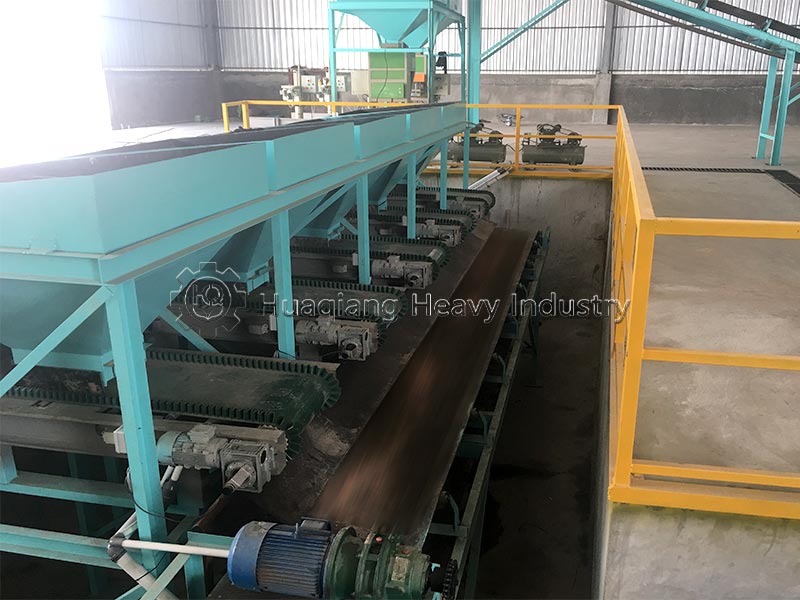
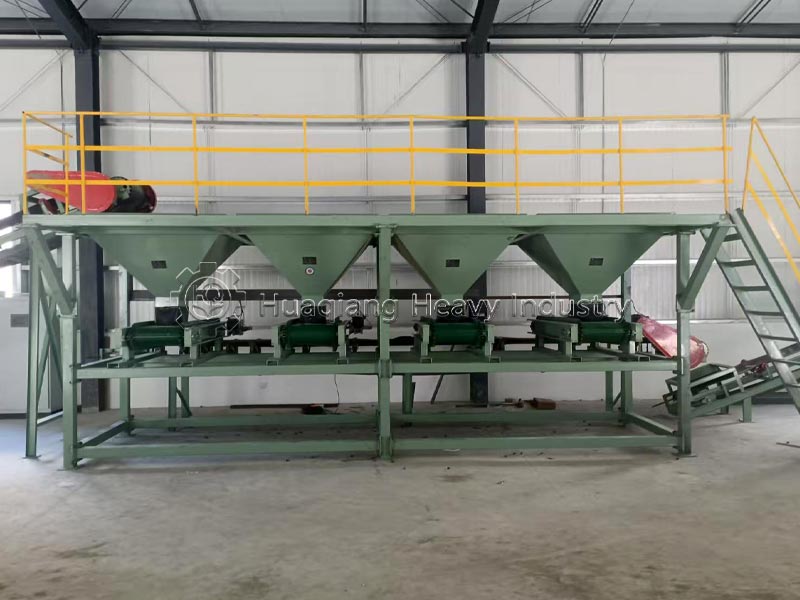
DETAILS
The single silo single weigh dynamic automatic batching system is a unit designed to integrate with equipment for BB fertilizer, organic fertilizer, compound fertilizer, and blended fertilizer production. Its core design principle is “one bin, one scale,” meaning each raw material bin is paired with an independent, high-precision weighing module; various raw materials are weighed individually before being conveyed for mixing.
This configuration offers several clear advantages: it prevents cross-contamination of raw materials at the source and eliminates the queuing delays that occur when multiple materials share a single weighing unit. The system employs a control architecture combining computer control, electronic monitoring, and digital displays; operators simply input formula parameters at the control terminal, and the system automatically executes the entire process—from raw material feeding and dynamic weighing to mixing and discharge.
Unlike traditional static batching methods—where multiple bins share a single scale—this dynamic batching system continuously captures weight signals as the material falls, enabling uninterrupted dynamic measurement.
How does the single silo single weigh dynamic automatic batching system work?
The workflow of the single silo single weigh dynamic automatic batching system can be divided into the following stages:
Step 1: Recipe Setup. Operators configure the required recipe parameters (such as target weights for each raw material and the batching sequence) via a touchscreen or host computer software.
Step 2: Sequential Batching. The system activates the feeding mechanism of the first bin according to the preset sequence, and material begins to flow into the weigh hopper. An integrated dynamic weighing algorithm captures weight changes in real-time as the material falls. Combined with variable-frequency feeding technology, the system employs a staged feeding strategy—fast, medium, and slow—to optimize performance: rapid feeding at the start boosts efficiency, while a switch to slow feeding as the target weight approaches ensures accuracy, effectively mitigating the impact of material impact forces on weighing precision.
Step 3: Weighing Completion and Switching. Once the target weight for a specific material is reached, feeding stops, and the system automatically switches to the next material bin. Each material is weighed independently without interference from the others.
Step 4: Mixing and Discharge. After all materials have been weighed, they enter a mixer for thorough blending; once mixed, the material is transported to the next stage of the process.
The entire process features microprocessor control, electronic monitoring, and digital displays, ensuring ease of operation. The system can store hundreds of recipe configurations, allowing for rapid retrieval and modification.
What are the suitable applications for single silo single weigh dynamic automatic batching systems?
The single silo single weigh dynamic automatic batching system is primarily suited for the following production scenarios:
Production of organic fertilizers, compound fertilizers, blended fertilizers, and BB fertilizers: This is the system’s most mature application area. Given the diverse sources and widely varying physical properties of organic fertilizer raw materials, the system’s versatility effectively meets these requirements.
Feed processing: Feed production lines that demand high precision in batching and continuous production.
Batching of powders and granular materials in the construction materials and chemical industries: Suitable for the automated weighing and mixing of various bulk materials.
What are the advantages of the single silo single weigh dynamic automatic batching system?
Compared to standard batching equipment that uses a shared scale, the single silo single weigh dynamic automatic batching system offers significant advantages in fertilizer production:
Stable batching accuracy
Each material stream is weighed independently, eliminating interference from the cumulative weighing of multiple materials. Weighing errors for standard granular organic fertilizers can be kept within ±0.3%, while errors for fine powdered materials can be controlled within ±0.5%. This ensures a stable fertilizer mix, minimizes nutrient fluctuations in the finished product, and reduces the rate of substandard output.
No cross-contamination of raw materials
Raw materials such as livestock manure, humus, and microbial agents have vastly different properties. Since materials are discharged from independent bins, switching formulas requires cleaning only the specific bin involved rather than the entire weighing system, thereby saving time and labor during changeovers.
Low failure rate and easy maintenance
Each weighing unit operates independently; if the discharge mechanism of one bin fails, the other batching bins can continue to function. This allows the production line to keep running without a complete shutdown for repairs—a design approach similar to fault-isolation concepts found in patented batching devices.
High automation and labor savings
Once the formula is set, the equipment operates fully automatically. Daily operations require only one staff member to monitor material levels, eliminating the need for manual shoveling and weighing. This drastically reduces labor costs and avoids mixing errors associated with manual weighing.
Suitable for moist materials with poor flowability
Post-fermentation livestock manure is often moist and prone to clumping. Each bin is equipped with a dedicated anti-bridging device; unlike standard vibratory dischargers, this system is less likely to clog, making it ideal for handling the various moist raw materials used in bio-organic fertilizer production.
PARAMETERS
| Belt width | Geared Motor’s model | Belt line speed | Load sensor | converter rated speed | output | Reference output |
| 650 | SBD65-923-1.1kW | 0.0082 | 50 | 50 | 0.1-1.0 | 0.2-0.8 |
| 650 | SBD66-619-1.1kW | 0.0254 | 50 | 0.4-4.0 | 0.65-3.2 | |
| 800 | SBD67-253-1.5kW | 0.0621 | 100 | 2.0-20 | 4.0-16 | |
| 800 | SBD68-102-1.5kW | 0.1539 | 100 | 4.0-40 | 10-32 | |
| 1000 | SBD69-91-1.5kW | 0.1725 | 100 | 10-100 | 40-80 | |
| 1200 | SBD70-29-1.5kW | 0.2661 | 200 | 16-160 | 80-120 |