

Sustainable NPK fertilizer production relies on the environmental characteristics of production lines and granulation equipment, combined with precision agriculture applications, to balance yield and ecological protection. The NPK fertilizer production lines emphasize waste minimization, employing closed conveying and negative pressure dust removal, achieving a dust recovery rate of 95%. NPK fertilizer granulation equipment, such as extrusion and tower methods, optimizes energy use and reduces exhaust emissions. SCR systems reduce nitrogen oxides, complying with EU and Chinese standards. Drying and cooling utilize heat recovery, reducing the carbon footprint and supporting the United Nations Sustainable Development Goals.
In precision agriculture, these characteristics support the 4Rs strategy, selecting slow-release NPK to reduce eutrophication. Sensors monitor soil N, P, and K levels, and variable rate fertilization avoids over-application. Nanogranulation provides efficient release, and combined with drip irrigation, reduces water pollution. The production lines allow for flexible blending and addition of organic microorganisms, forming bio-composite fertilizers that promote soil health.
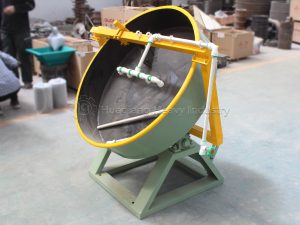
In practice, an Indian factory reduces wastewater by 5,000 tons annually while producing 150,000 tons of fertilizer. A Brazilian production line protects the rainforest ecosystem. In North China, the introduction of environmentally friendly equipment has increased crop yields by 20%. Automated AI monitoring predicts and prevents malfunctions, extending equipment lifespan.
Challenges include high investment costs and strict regulations, but subsidies and carbon trading mitigate these issues. In the future, by 2030, production lines and NPK fertilizer granulation equipment will achieve zero emissions, integrating solar energy and bio-based raw materials.
In conclusion, these environmental characteristics make NPK production sustainable and contribute to precision agriculture, driving the global green transformation of agriculture.