

Screw Conveyor
Screw feeders with scraper conveyors and bucket conveyors are equivalent to conveyors. The utility model has the advantages of high transmission efficiency, safe and reliable work, simple structure, complete function, good sealing performance, low noise
DETAILS
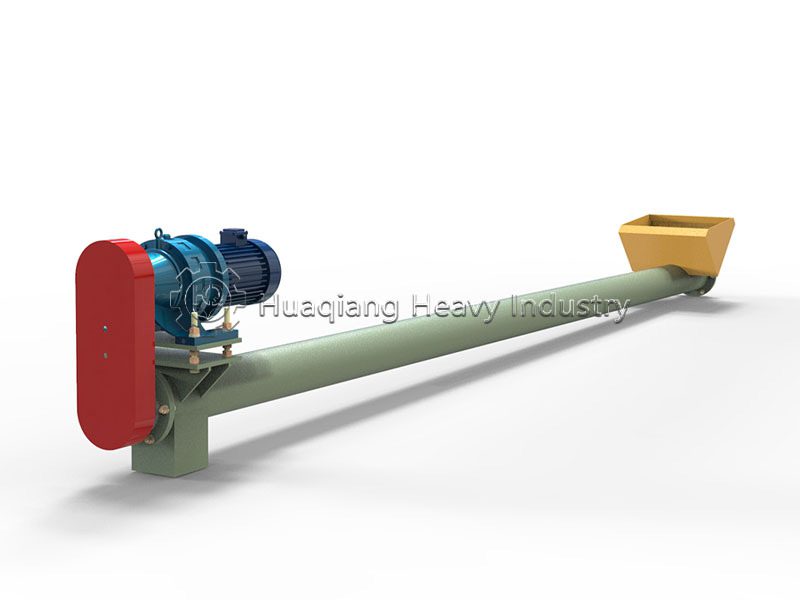
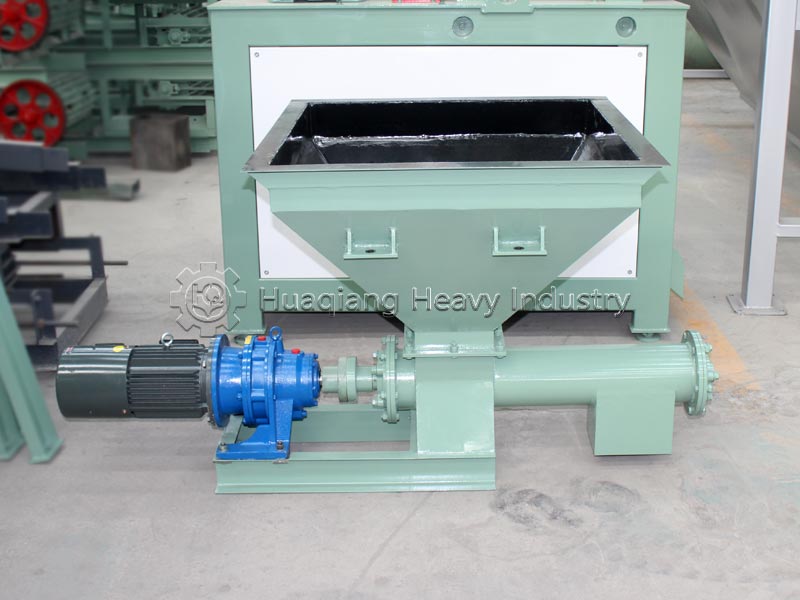
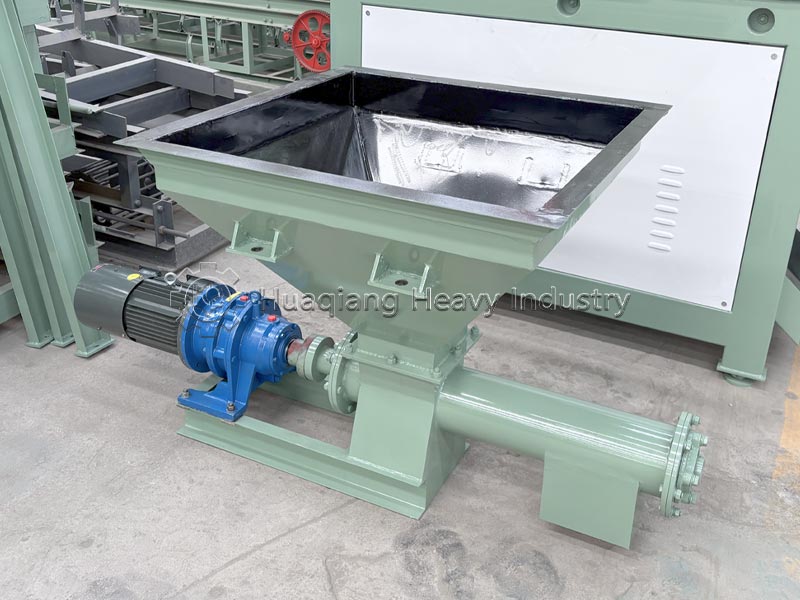
The screw conveyor is a type of general-purpose machinery that utilizes a motor to drive the rotation of a screw, thereby propelling material to achieve transport. Due to its simple structure, excellent sealing capabilities, and suitability for enclosed transport, it is widely used across various sectors of the national economy, including construction materials, chemicals, electric power, metallurgy, coal, and grain. In industrial material handling, the screw conveyor is considered one of the most fundamental pieces of conveying equipment; within the industry, it is often colloquially referred to as a “jiao long” (auger).
How does a screw conveyor work?
Rotating helical flights continuously push the material forward; the force preventing the material from rotating along with the flights comes primarily from the material’s own weight and the frictional resistance exerted by the casing.
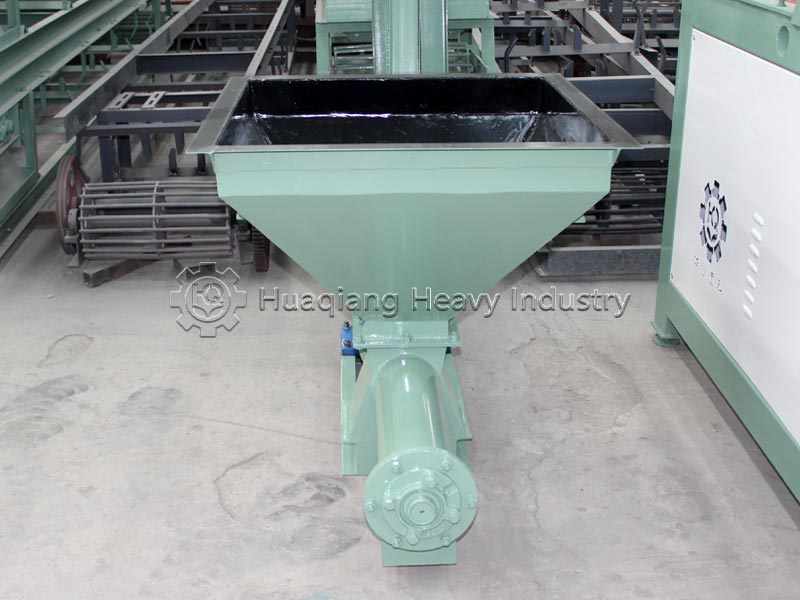
A standard screw conveyor consists mainly of a drive unit, a screw shaft (with helical flights), a trough (casing), an inlet, and an outlet. The configuration of the helical flights varies depending on the material being conveyed; common types include solid, ribbon, and paddle designs. A thrust bearing is typically installed at the discharge end of the screw shaft to withstand the axial reaction force generated by the material, while intermediate hanger bearings are required for longer conveying distances.
What are the application scenarios for screw conveyors?
Screw conveyors are widely used across various sectors of the national economy:
Construction materials industry: Transporting cement, lime, and fly ash; conveying ingredients at concrete mixing plants
Chemical industry: Transporting various powdered chemical raw materials
Electric power and metallurgy: Transporting pulverized coal and ash/slag
Grain and food processing: Handling materials such as grain, salt, and sugar
Environmental protection: Shaftless screw conveying of viscous waste materials like sludge and municipal solid waste
Mining and coal: Short-distance transfer of powdered ore and coal
Recommendations for Purchasing Screw Conveyors
If you are selecting a model or requesting a quote for a project, keep the following points in mind:
First, do not focus solely on price. Cost differences in screw conveyors primarily stem from factors such as material (carbon steel vs. stainless steel), the thickness and heat treatment of the screw flights, and the brand of bearings used. Saving ten or twenty thousand on the equipment is a false economy if the flights wear through in less than six months; the resulting losses from production downtime would far exceed those initial savings.
Second, send material samples to the manufacturer for actual testing. Many selection errors arise from assumptions about the material’s state; actual testing often reveals significant differences in density and moisture content compared to initial estimates. Having the manufacturer run a test using your specific material is far more reliable than simply consulting a specification sheet.
Third, clarify the delivery lead time and the scope of installation and commissioning services. This is particularly important for non-standard, custom-built units, which typically require 4 to 8 weeks from order to delivery. You should confirm—before signing the contract—whether installation and commissioning are included in the quote and what the after-sales response time is.
PARAMETERS
| Model |
Screw Diameter
(mm) |
Rotation Speed
(r/min) |
Capacity
(m³/h) |
| LS160 | 160 | 112 | 9.7-3.2 |
| 90 | 7.8-2.6 | ||
| 71 | 6.2-2.1 | ||
|
56**
|
4.9-1.6 | ||
| LS200 | 200 | 100 | 16.9-5.6 |
| 80 | 13.5-4.5 | ||
| 63 | 10.7-3.6 | ||
|
50**
|
8.5-2.8 | ||
| LS250 | 250 | 90 | 29.9-9.9 |
| 71 | 23.5-7.8 | ||
|
56**
|
18.5-6.2 | ||
|
45**
|
14.9-5.0 | ||
| LS315 | 315 | 80 | 52.9-17.6 |
| 63 | 41.6-13.9 | ||
|
50**
|
33.1-11.0 | ||
|
40**
|
26.4-8.8 | ||
| LS400 | 400 | 71 | 85.3-28.2 |
| 56 | 67.3-22.4 | ||
|
45**
|
54.1-18 | ||
|
36**
|
43.2-14.4 |