

Bucket Elevator
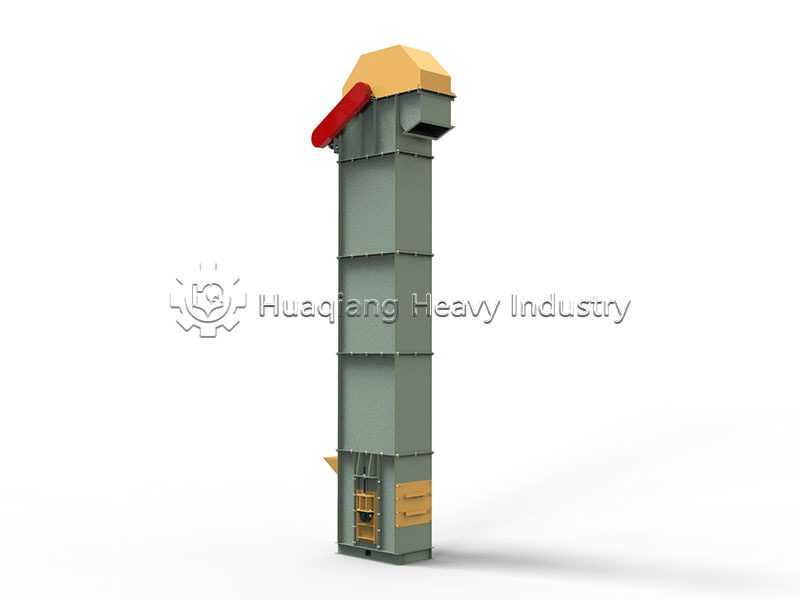
This series of bucket elevator has the characteristics of small floor area, high lifting height, large conveying capacity, low power consumption.
DETAILS
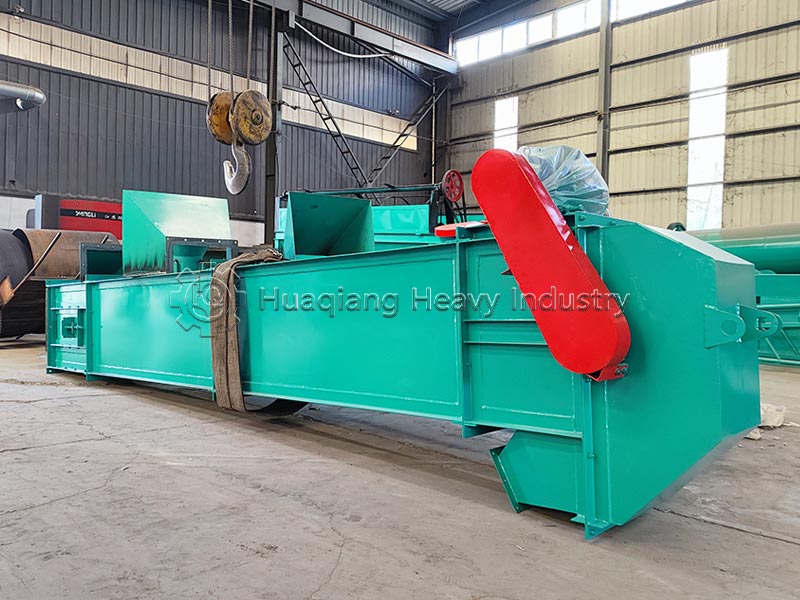
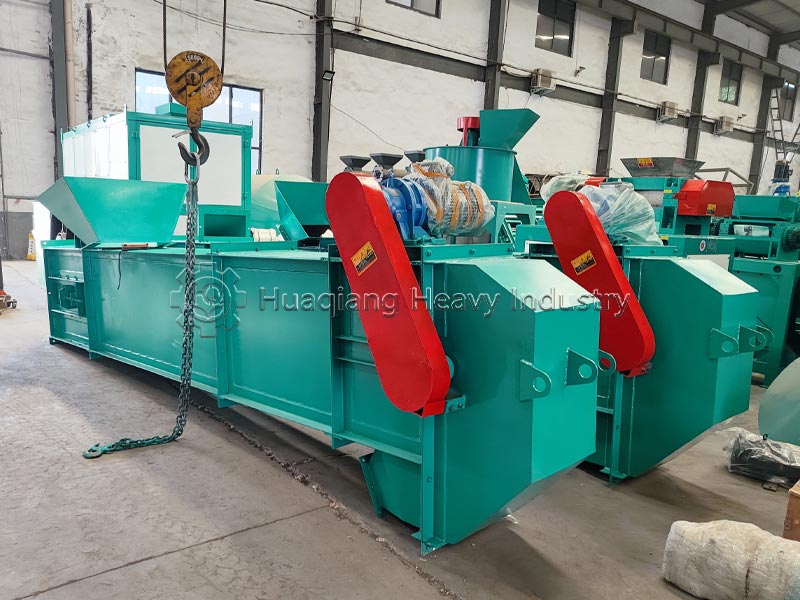
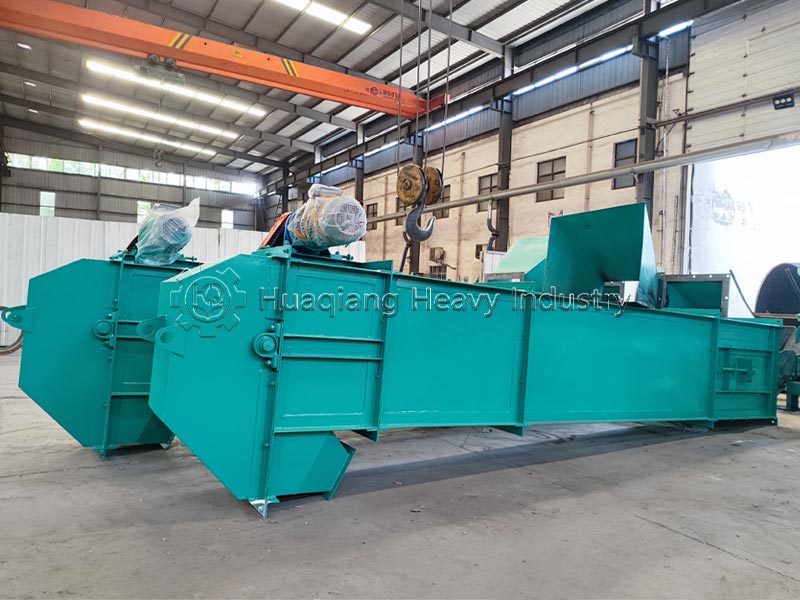
The bucket elevator is a type of enclosed, continuous vertical conveying machine. It utilizes a circulating traction element to drive buckets that scoop up bulk materials, transporting powdery, granular, or small-lump raw materials vertically upward; it is an essential feeding and conveying device in bio-organic fertilizer production lines.
A complete bucket elevator typically consists of core components such as the traction element, buckets, drive unit, head and tail pulleys, a tensioning device, and the casing. The entire unit operates within an enclosed casing, effectively preventing dust leakage.
What is the operating process of a bucket elevator?
The operating process of a bucket elevator can be broken down into four continuous stages:
- Loading: Material enters through the bottom inlet, and the buckets are filled via a scooping or gravity-fed (inflow) method.
- Lifting: The drive unit powers the traction element (belt or chain) to move in a continuous loop, vertically lifting the material-filled buckets from bottom to top.
- Discharge: After passing over the head pulley assembly, the buckets discharge the material into the discharge chute using centrifugal force, gravity, or a combination of both.
- Return of empty buckets: The emptied buckets travel back down to the bottom on the opposite side to be reloaded, repeating the cycle.
I am text block. Click edit button to change this text. Lorem ipsum dolor sit amet, consectetur adipiscing elit. Ut elit tellus, luctus nec ullamcorper mattis, pulvinar dapibus leo.
I am text block. Click edit button to change this text. Lorem ipsum dolor sit amet, consectetur adipiscing elit. Ut elit tellus, luctus nec ullamcorper mattis, pulvinar dapibus leo.
Which industries use bucket elevators?
Bucket elevators are widely used in industries such as power generation, chemicals, metallurgy, building materials, coal, grain, and light industry. Typical materials include:
Grain industry: Wheat, corn, rice, legumes, etc.
Cement and building materials: Cement, clinker, limestone, dry clay, etc.
Mining and metallurgy: Ore, lump coal, crushed stone, sand, etc.
Chemicals and fertilizers: Fertilizers, powders, granules, etc.
Power industry: Pulverized coal, fly ash, etc.
Key Advantages of Bucket Elevators in the Fertilizer Industry
Compared to screw conveyors and pneumatic conveying systems, bucket elevators offer several irreplaceable advantages tailored to the specific operating conditions of organic fertilizer processing:
Minimal Footprint
Vertical conveying requires only a small floor area for the base installation; they fit easily into cramped fermentation or granulation workshops without taking up excessive horizontal space on the production line.
Fully Enclosed and Dust-Proof
Operating within a fully enclosed casing prevents the escape of odors and fertilizer dust generated during livestock manure processing, ensuring compliance with environmental standards and eliminating the need for expensive auxiliary dust-removal systems.
Lower Energy Consumption
Energy consumption is over 30% lower than that of pneumatic conveying systems. High-capacity buckets utilize an inflow-style loading method, eliminating the need for forceful scooping; this minimizes material impact and results in a very low breakage rate for fertilizer granules.
Long Service Life
The inflow-style feeding design reduces hard impacts between the fertilizer and the buckets. The interior of the casing can be treated with an anti-corrosion coating, preventing rust even when processing highly corrosive acidic fertilizer raw materials.
Broad Adaptability
They can convey a wide range of materials, including powdered decomposed manure, pulverized straw, spherical granular fertilizers, and small slag fragments; simply changing the bucket style allows the system to accommodate materials with varying moisture levels.