

Ring Die Pelleting Machine
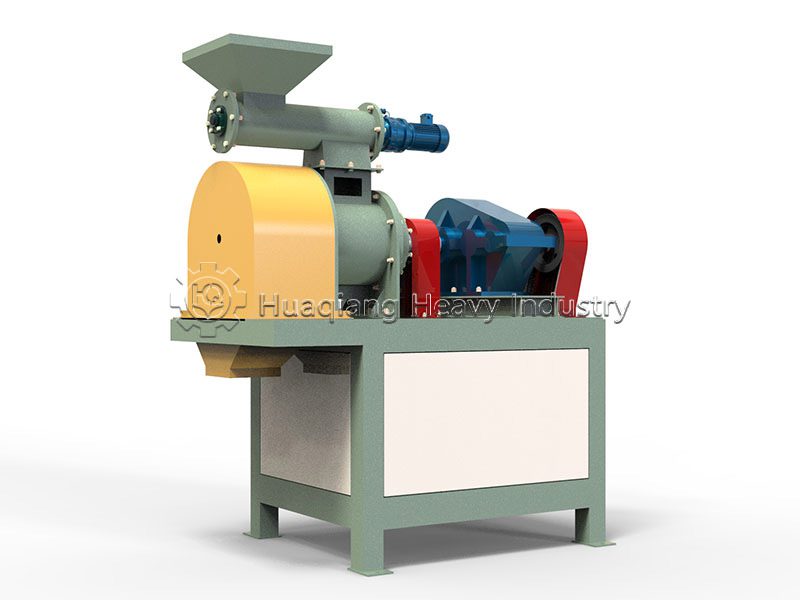
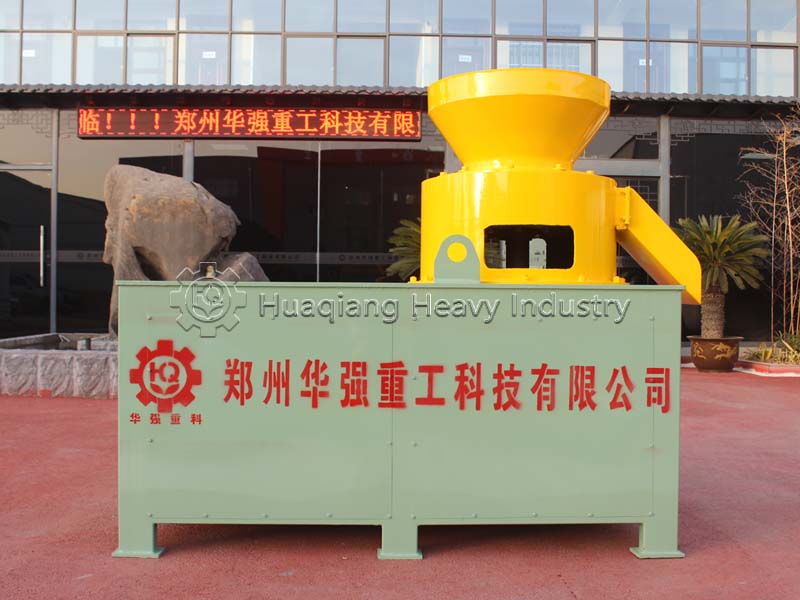
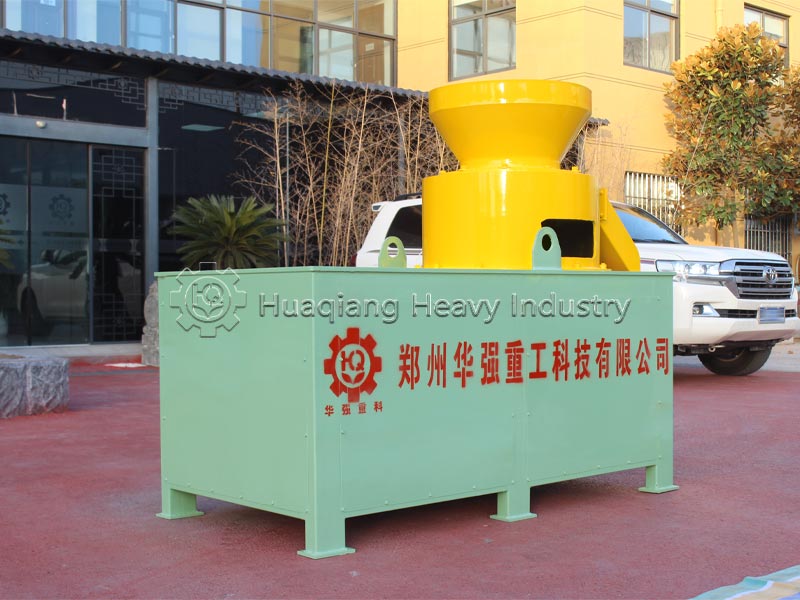
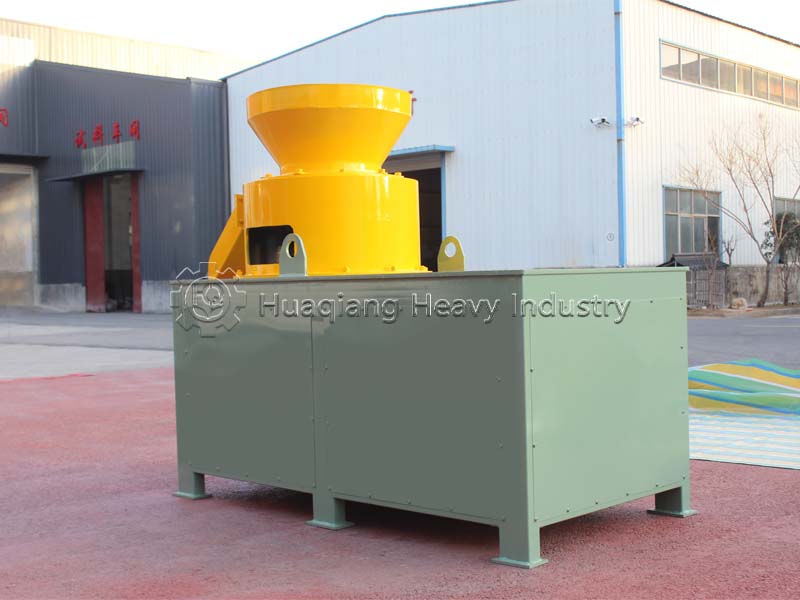
The organic fertilizer ring die granulator machine is a kind of organic fertilizer production equipment. It is mainly used in the production of bio organic fertilizer pellet making, and the processing of feed pellets in breeding industry.
Model:HP-450 Capacity:1-5t/h Power:30+2.2(kW)
Model:HP-650 Capacity:5-8t/h Power:45+4(kW)
DETAILS
The ring die pellet machine is specialized granulation equipment that processes powdered materials into granular products through mechanical extrusion. Its core operating principle involves the collaborative extrusion action of the ring die and press rollers, which shapes the material within the die holes before a cutter slices it into uniform pellets. As a key piece of equipment in sectors such as feed processing, organic fertilizer production, and biomass energy, the performance of the ring-die pellet machine largely determines the production line’s output and product quality.
Core Components and Composition of the Ring Die Pellet Machine
The ring die pellet machine primarily consists of the following five major systems:
Feeding System: Composed of a variable-frequency motor, a speed reducer, an auger, and a housing; it feeds material into the conditioner at a controlled rate, ensuring uniform and stable input.
Conditioning System: Conditions the material by adding steam or water to improve its binding properties and plasticity, thereby creating favorable conditions for increased pellet output and quality.
Pelletizing System (Core Working Components): Comprises two key components: the ring die and the press rollers. The ring die is an annular mold featuring evenly distributed holes; its surface quality and geometric shape directly determine the shape and quality of the pellets. The press rollers are positioned inside the ring die and work in conjunction with its inner wall to exert strong pressure on the material. The ring die is the primary wear part of the machine, and its replacement costs typically account for over 25% of the production workshop’s maintenance expenses.
Pellet Cutting System: A cutter mounted on the exterior of the ring die cuts the extruded material strands into pellets of the desired length.
Drive and Lubrication System: Drives the rotation of the ring die and press rollers via a motor, speed reducer, and gear transmission mechanism; a comprehensive lubrication system ensures the equipment’s long-term, stable operation.
Working Principle of the Ring Die Pellet Machine
The ring die pellet machine employs a mechanical forced-feeding system. Material is conveyed by a feeding auger into a conditioner, where it undergoes conditioning with the addition of steam or water, before passing through a discharge chute into the pelletizing chamber. Inside the chamber, centrifugal force generated by the rotating ring die presses the material against the inner wall of the die, directing it into the wedge-shaped compression zone formed between the ring die and the press rollers.
Driven by the relative motion between the ring die and the press rollers, the material undergoes intense compression, becoming compacted and forced into the die holes. After being shaped within the holes, the material is extruded from the outer surface of the ring die as a continuous strand, which is then cut into pellets of the desired length by a stationary cutter.
Industries and Applications for Ring Die Pellet Machine
Due to their broad material adaptability and high production efficiency, ring die pellet machines play a vital role across various industries:
Organic Fertilizer and Fertilizer Production
Ring die pellet machines can directly process organic materials—such as livestock and poultry manure, municipal sludge, sugar mill filter mud, distillery grains, straw, and peat—into granular organic fertilizers, bio-organic fertilizers, or compound fertilizers. The equipment supports direct pelletizing of raw materials with moisture content ranging from 15% to 40%, eliminating the need for pre-drying.
Feed Processing Industry
This is the primary application area for ring die pellet machines. The equipment is widely used by feed processing plants of all sizes, as well as by aquaculture farms, livestock and poultry farms, and individual breeders. It is suitable for producing pelleted feed for a variety of animals, including chickens, ducks, geese, pigs, cattle, sheep, and rabbits.
Biomass Energy Sector
The equipment is suitable for compressing materials that are difficult to bind and shape—such as rice husks, peanut shells, sawdust, tree branches, bark, and various crop straws—to produce biomass pellet fuel.
Other Industries
It can also be applied to the granulation of powdered materials in industries such as chemicals, pharmaceuticals, and pesticides.
Key Features of the Ring Die Pellet Machine
Dual-Die Integration: Two Functions in One Machine
It combines the advantages of both ring die and flat die technologies—effectively acting as two pellet mills working in tandem. This eliminates the need for additional equipment, significantly reducing procurement costs and workshop floor space requirements.
Superior Pellet Quality
Pellets produced by the ring die machine are compact, smooth, resistant to cracking, and have a long shelf life. Pellet diameters can be flexibly selected to meet specific needs, with common specifications ranging from Φ1.2mm to Φ10mm.
Wide Range of Applications
The ring die pellet machine is widely used in the feed, renewable biomass energy, and pharmaceutical industries. In the feed industry, it produces grass meal and concentrate feed pellets for livestock and poultry such as pigs, horses, cattle, sheep, rabbits, chickens, ducks, and geese. In the biomass sector, it processes various raw materials including wood chips, sawdust, straw, rice husks, and peanut shells. In the fertilizer industry, it is suitable for the low-temperature granulation of bio-bacterial fertilizers, organic fertilizers, and compound fertilizers.
Stable and Reliable Operation
The machine supports continuous 24-hour operation, ensuring uniform pellet density and consistent product quality. Equipped with imported bearings and oil seals within the transmission gearbox, the unit operates with high efficiency and low noise levels.
PARAMETERS
| Model | HP-450 | HP-650 |
| Capacity (t/h) | 2-5 | 4-8 |
| Pelleting Rate (%) | >95% | >95% |
| Motor Power(Kw) | 30+1.5 | 55+3 |
| Dimension(mm) | 2150*1350*2200 | 2500*1350*2535 |