

In the industrialized and standardized production of organic fertilizer, aerobic fermentation is the core process determining the quality of the finished product. As a key piece of equipment in the fermentation stage, the compost turner directly controls the fermentation efficiency, the degree of harmlessness, and the quality of the finished product, making it an indispensable piece of equipment in modern organic fertilizer production lines. Compared to traditional manual composting, mechanized composting completely solves the pain points of low production efficiency, incomplete fermentation, and difficulty in pollution control, providing a solid guarantee for the large-scale and green production of organic fertilizer.
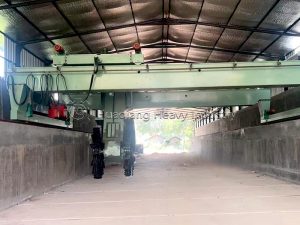
The core function of the compost turner is to ensure efficient aerobic fermentation of materials. When organic raw materials such as livestock and poultry manure, straw, and sludge are piled up for fermentation, they are prone to internal oxygen deficiency and compaction, leading to anaerobic fermentation, the production of foul-smelling gases, and uneven material maturation. Regular mechanical composting effectively breaks up compacted materials, increases material porosity, allows air to fully penetrate the pile, provides sufficient oxygen for beneficial microorganisms, activates microbial activity, accelerates the decomposition and maturation of organic matter, significantly shortens the fermentation cycle, and improves overall production efficiency.
At the same time, the organic fertilizer compost turner enables uniform fermentation of materials, improving the quality of the finished organic fertilizer. Manual turning and composting suffers from uneven depth and incomplete coverage, easily leading to uneven ripening and inconsistent moisture levels. Standardized mechanical turning and composting, on the other hand, evenly mixes raw materials, regulates the temperature and humidity of the pile, quickly dissipates heat and excess moisture generated during fermentation, prevents burning and mold growth, ensures uniform ripening, effectively kills insect eggs and pathogens, achieves harmless treatment of solid waste, and guarantees balanced nutrients and stable quality in the produced organic fertilizer.
Furthermore, compost turning machines contribute to energy conservation, cost reduction, and environmental friendliness in organic fertilizer production. Mechanized operations replace manual labor, significantly reducing labor costs and adapting to large-scale continuous production. Standardized aerobic fermentation effectively inhibits the generation of foul odors, reduces the spread of unpleasant smells, and lowers the environmental pressure on livestock farming and organic fertilizer production. Simultaneously, efficient fermentation maximizes the resource utilization of organic solid waste, contributing to the green and circular development of agriculture, making it a core piece of equipment for improving the quality and efficiency of the organic fertilizer industry.