

Flat die pellet machines are core equipment in organic fertilizer production and feed processing. Their stability directly affects production efficiency and finished product quality. Under long-term, high-frequency operation, problems such as material accumulation and wear, insufficient lubrication, and loose parts are prone to occur. Regular and standardized maintenance can reduce downtime, significantly extend equipment lifespan, and lower operating costs.
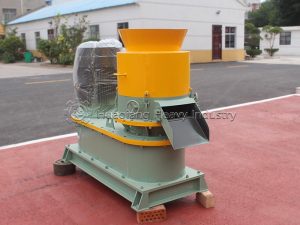
Daily cleaning is the core of basic maintenance. After each day’s operation, thoroughly clean the die plate, pressure rollers, and feed inlet of any residual material to prevent material from drying and clogging the die holes and corroding the machine body. Power must be disconnected during cleaning; working with electricity is strictly prohibited. Before long-term shutdown, a small amount of oily material can be introduced and run at low speed to moisten the die holes before stopping the machine to prevent material from hardening and solidifying. At the same time, wipe away dust and debris from the machine body surface promptly to keep the equipment clean and prevent impurities from entering the transmission structure and affecting operation.
Precise lubrication is key to the long-term operation of the equipment. The pressure rollers and die plate bearings are core wear components and require regular lubrication. Under normal operating conditions, add high-temperature lithium-based grease once per shift, filling the bearing space to one-third full. Under harsh conditions, intensive maintenance is needed weekly. Gearbox lubricating oil needs to be changed regularly. Change the oil after the first 500 hours of operation, and then every 1000 hours thereafter. Simultaneously check the gearbox oil seals; replace any leaks immediately to ensure smooth operation of the transmission system.
Component debugging and inspection are essential. Before starting each shift, check all connecting bolts for looseness and calibrate the gap between the pressure rollers and the die plate. The standard gap should be controlled between 0.1-0.3 mm. Improper gaps can lead to loose particles, reduced output, or accelerated component wear. Avoid idling and friction between the pressure rollers and the die plate to prevent hard wear. Conduct a comprehensive weekly inspection of equipment parts, checking belt tension and die plate wear. Replace severely worn or deformed parts immediately.
Regular machine overhaul is crucial. Disassemble and inspect the pressure roller bearings monthly, cleaning internal impurities and adding grease. Check the reliability of safety switches and transmission structures weekly. At the same time, strict control over raw material quality is essential to prevent hard objects such as stones and iron blocks from entering the equipment and to avoid damage to the die plate and pressure rollers. Standardized implementation of all maintenance procedures can effectively reduce equipment failure rates and ensure the flat die pellet mill operates continuously, stably, and efficiently.