

The organic fertilizer compost turner is the core piece of equipment in the composting and fermentation process. Due to the long-term, high-load processing of materials such as manure, straw, and sludge, issues like blade wear, chain jamming, and electrical faults can occur. Proper daily maintenance not only prevents equipment downtime and ensures the stable operation of the organic fertilizer production line but also significantly extends the equipment’s service life and reduces repair and replacement costs. Below are practical, easy-to-follow guidelines for the daily maintenance of the compost turner.
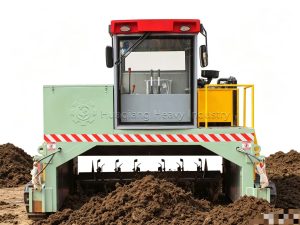
A pre-shift inspection is the foundation of stable equipment operation. Before startup, clear away any fertilizer residue or debris adhering to the machine body to prevent materials from jamming rotating parts. Focus on inspecting the turning blades and tines to ensure they are intact and free from deformation, looseness, or wear; tighten loose screws immediately and replace severely worn parts. Simultaneously, check the hydraulic system and drive chains to ensure there are no oil leaks, chain dislodgement, or jamming, and verify that the hydraulic fluid level is within the standard range—topping it up with the specified hydraulic oil if necessary. Finally, test the electrical circuits, switches, and braking systems to ensure responsive controls and safe operation.
Real-time maintenance is required during operation. Avoid overloading the equipment while it is running, and strictly prevent hard stones or metal debris from entering the turning area to avoid damaging the main shaft and blades. Monitor the equipment’s sound and vibration levels during operation; if abnormal noises, severe vibration, or unusual oil temperatures occur, stop the machine immediately for inspection—never operate the equipment while a fault exists. Every 4 to 6 hours of operation, lubricate drive components such as chains, bearings, and gears to reduce mechanical wear and operating noise.
End-of-day and periodic maintenance are essential. After work concludes, thoroughly clean off any residual material to prevent organic fertilizer from corroding the machine body or causing components to seize up due to caking. Wipe the equipment surfaces dry to remove water and stains, and check that electrical connections are secure to prevent short circuits caused by moisture. Conduct a comprehensive weekly inspection of the machine’s bolts, drive system, and hydraulic lines; check the gearbox oil quality monthly and replace any degraded lubricant promptly. Equipment that is to remain idle for an extended period must be thoroughly cleaned and treated with anti-rust measures; it should be stored in a dry, well-ventilated area and covered with a protective sheet to prevent aging and damage caused by exposure to sunlight and rain.
Standardized daily maintenance effectively reduces the frequency of compost turner breakdowns, enhances composting efficiency, and lowers equipment operation and maintenance costs for livestock farming and organic fertilizer production—making it key to ensuring the long-term, stable profitability of the production line.