

A half-wet material crusher is a core piece of equipment for organic fertilizer production, kitchen waste, and livestock manure treatment. Specifically designed for high-moisture, high-viscosity materials, it effectively solves problems such as screen clogging, clumping, and uneven crushing found in ordinary crushers. Mastering the standardized operating procedures ensures stable equipment operation, improves crushing efficiency, extends equipment lifespan, and avoids safety hazards. The complete operating procedure is simple and easy to learn, suitable for various working conditions.
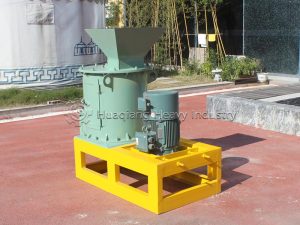
Pre-start inspection is fundamental to safe equipment operation. Operators must first disconnect the power supply and carefully inspect core components such as bolts, blade assembly, and bearings to ensure there is no looseness, wear, or jamming. Simultaneously, clean any residual material, stones, metal, plastic, or other hard impurities from the crushing chamber to prevent damage to the blades during operation. Additionally, check the wiring, motor status, and lubrication, ensuring proper grounding and adequate bearing lubrication. Only after everything is normal should the machine be started.
The equipment must be started strictly under no-load conditions; starting with material is strictly prohibited. After connecting the power supply, first start the discharge device, then turn on the main unit, allowing the equipment to run unloaded for 10 to 15 minutes. During operation, observe the equipment’s running status, checking for abnormal noise, severe vibration, leakage, and other problems. Confirm that the motor rotation is correct, the current and voltage are within the rated range, and the equipment is running smoothly before commencing material feeding.
Material feeding is the core operation. This equipment does not require material drying and can directly process wet materials with high moisture content. During feeding, maintain a uniform and continuous feed, avoiding large-scale feeding at once to prevent motor overload and material blockage in the machine cavity. For severely clump-forming materials such as manure and distiller’s grains, pre-particle breaking can be done to improve the crushing effect. Observe the discharge status in real time during operation. If poor discharge, uneven particle size, or abnormal noise occurs, immediately reduce the feed rate and, if necessary, stop the machine to troubleshoot.
After the half-wet material crusher has finished operation, proper shutdown and maintenance are required. First, stop feeding, keep the equipment running unloaded, and wait until all material in the crushing chamber has been completely discharged before turning off the main unit and discharge device, and finally disconnect the main power supply. After each day’s work is completed, promptly clean up any residual materials on the machine body and in the machine cavity to prevent material accumulation, mold growth, and equipment corrosion. At the same time, regularly check the wear of the cutting tools, replenish the bearing lubricating oil, and perform daily maintenance of the equipment to prepare for the next efficient operation.