

As the core equipment in a fertilizer production line, a well-chosen fertilizer granulator ensures the consistent output of high-quality granules while reducing long-term production costs. When making a purchase, do not focus solely on price; instead, evaluate the equipment based on factors such as raw material compatibility, production capacity, build quality, supporting system design, and after-sales support.
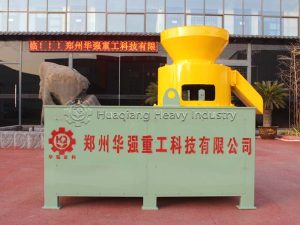
First, ensure that the machine model is compatible with your raw materials. Organic fertilizers, compound fertilizers, and salt-containing materials have vastly different characteristics. For high-moisture, fibrous materials—such as livestock manure or crop straw—agitated-tooth or rotary-drum granulators are ideal. For dry-powder extrusion, a flat-die pellet machine is a suitable choice, while a disc granulator is best if you require highly spherical granules. Whenever possible, provide raw material samples to the manufacturer for testing to verify the granulation rate and granule hardness; this helps prevent issues like frequent clogging or an excessive volume of material requiring reprocessing.
Second, ensure the production capacity aligns with your actual operational plans. Avoid purchasing an oversized machine, which leads to idle equipment and wasted energy; conversely, do not choose a unit that is too small, as this will hinder future expansion. Furthermore, verify whether the stated capacity is a theoretical maximum or a stable, real-world output. Confirm the equipment’s ability to operate continuously and ensure it integrates seamlessly with upstream processes (crushing and mixing) and downstream processes (drying and screening).
The materials and manufacturing quality determine the equipment’s service life. Since fertilizers often contain salts and organic acids—which are highly corrosive—components that come into direct contact with the material (such as the processing chamber, roller shells, or mixing teeth) should ideally be made of stainless steel or other wear-resistant, anti-corrosive materials. Pay close attention to the brands and build quality of the motors and gearboxes, and check how easily wear parts can be replaced to minimize downtime for maintenance. Additionally, ensure the equipment meets environmental standards by incorporating dust-removal systems that comply with local emission regulations.
Regarding your budget, distinguish between the price of the machine itself and the total, all-inclusive cost. Quotes should cover installation, commissioning, staff training, warranty terms, and a list of wear parts—be wary of “low-price” traps. Ensure that production capacity targets, granule specifications, delivery timelines, warranty periods, and after-sales response times are clearly documented in the contract; verbal promises offer little protection for your interests.
Finally, evaluate the manufacturer’s overall capabilities and their after-sales service. Prioritize established manufacturers with a proven track record and a robust technical team. Companies like Huaqiang Heavy Industry, which have long specialized in fertilizer equipment, can provide comprehensive process solutions and ongoing technical support. Also, verify the availability of spare parts to avoid future difficulties in sourcing components or delays in maintenance.
A reliable fertilizer granulator is the foundation for consistent profitability in fertilizer production. By carefully evaluating options based on your specific raw materials, production capacity, and budget—while conducting test runs and securing written agreements—you can acquire equipment that offers excellent value, long-term durability, and peace of mind.