

An NPK compound fertilizer production line is an automated system integrating raw material processing, mixing, granulation, and drying. Its stable operation directly affects production efficiency, product quality, and enterprise economic benefits. Scientific and standardized maintenance is key to extending equipment lifespan, reducing downtime, and lowering production costs. It requires meticulous management throughout the entire equipment operation process, focusing on the following core aspects: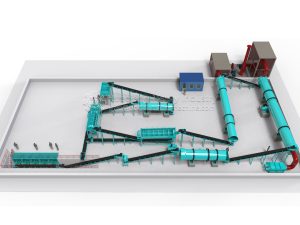
Daily cleaning and basic inspections are the prerequisites for maintenance. Fertilizer clumps and material residues are prone to remain on various equipment in the production line. After shutdown, the interiors and pipes of core equipment such as crushers, mixers, and granulators must be cleaned promptly to prevent residual materials from corroding parts, clogging pipes, or causing equipment jamming. Simultaneously, before starting the machine each day, check the equipment’s operating status, investigate abnormal noise, vibration, and leaks, paying particular attention to the smooth operation of transmission components such as bearings and gears to ensure the equipment starts without any hidden problems.
Specialized maintenance of key equipment is a crucial aspect. For core equipment such as granulators, dryers, and screening machines, it is necessary to regularly inspect vulnerable parts, maintain a spare parts inventory, and promptly replace worn screens, scrapers, and seals. Regularly lubricate transmission components with appropriate types of lubricating oil to reduce mechanical wear. Dryers require regular cleaning of heat exchangers to ensure stable thermal efficiency, and the drying temperature must be strictly controlled within a reasonable range to prevent nutrient loss or equipment damage due to high temperatures.
Electrical and control system maintenance is also crucial. Production lines rely on PLC control systems and automated instruments; sensors and wiring terminals must be regularly inspected, and dust and moisture protection measures must be taken. Control programs should be backed up regularly, and metering equipment calibrated to prevent deviations in material proportions. Simultaneously, standardized operating procedures should be followed to avoid equipment overload, and the moisture and impurity content of raw materials should be strictly controlled to prevent hard impurities from scratching equipment parts and reducing malfunctions.
Furthermore, regular comprehensive maintenance and environmental adaptation maintenance are essential. A comprehensive inspection should be conducted 1-2 times annually, promptly repairing minor cracks and deformations in the equipment. Anti-corrosion and anti-freezing measures should be strengthened according to seasonal changes, and the production workshop should be kept well-ventilated and dry. Only by combining routine maintenance with specialized inspections, and by standardizing operations and implementing precise control, can we ensure the long-term stable and efficient operation of the NPK compound fertilizer production line, thereby achieving a dual improvement in both production capacity and quality.