

The half-wet material crusher is a specialized piece of equipment designed for organic fertilizer production and the resource recovery of solid waste. Unlike traditional crushers limited to dry materials, its key advantage lies in its ability to easily process materials with high moisture content—including those prone to sticking or clumping—without clogging the machine or adhering to the walls, while ensuring a uniform output. Although many users are unsure exactly which raw materials are suitable, this equipment can actually process a wide range of inputs, including materials for organic fertilizer production, agricultural waste, livestock manure residues, and wet municipal waste.
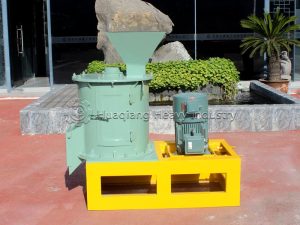
First are livestock and poultry manure materials, which are the most common and best-suited feedstocks for this equipment. These include cattle, chicken, pig, and sheep manure, as well as various types of livestock waste slurry. After fermentation and decomposition, these materials typically have a moisture content of 40%–60% and a soft, sticky texture that causes them to clump easily—conditions under which standard crushers fail to operate. In contrast, the half-wet material crusher can directly pulverize these materials, breaking up clumps into uniform, fine particles, making it a core component for the pre-treatment stage of organic fertilizer production lines.
Next are agricultural crop stalks and residues from agro-processing. Agricultural and forestry wastes such as corn stalks, wheat straw, rice husks, peanut shells, sugarcane bagasse, spent mushroom substrate, tea residue, and fruit pomace can all be processed by this machine. These materials often have uneven moisture levels and high fiber content; traditional crushers tend to get tangled or clog their screens when processing them. The half-wet material crusher features a screenless design, allowing it to directly crush mixtures of wet and dry materials and overcome the problem of fibrous material entanglement. The resulting crushed material is ready for immediate use in composting or the production of organic growing substrates.
Municipal and organic solid waste materials are also perfectly compatible. Wet solid wastes—such as municipal sludge, food waste residues, fallen leaves, landscaping trimmings, and fermented silt—often have high moisture content, contain various impurities, and come in irregular forms. This equipment is highly adaptable, unaffected by material moisture or shape, and performs fine crushing efficiently, thereby facilitating solid waste resource recovery and ensuring compliance with environmental standards. It is important to note that this equipment is designed primarily for crushing wet, soft, and organic materials; it is unsuitable for hard, dry materials such as stone, metal, or hard ores, as these could cause wear or damage. Overall, the half-wet material crusher is an ideal choice for any material characterized by high moisture content, a tendency to clump, or an organic composition. Highly versatile, stable in operation, and easy to maintain, this equipment is suitable for organic fertilizer processing plants of all sizes and serves as an essential tool for the pre-treatment of organic materials.